~100–150 species lost per day — many never documented1

1. Ceballos et al. (2015)

Fund the next great discovery
Breaking the scientific bottleneck for Earth's hidden species.

Be one of the first explorers funding the jump from field discovery to formal description. Sign up to get the story of the Manus Island discovery.

Join the mission waitlist:

Zero spam • Unsubscribe anytime
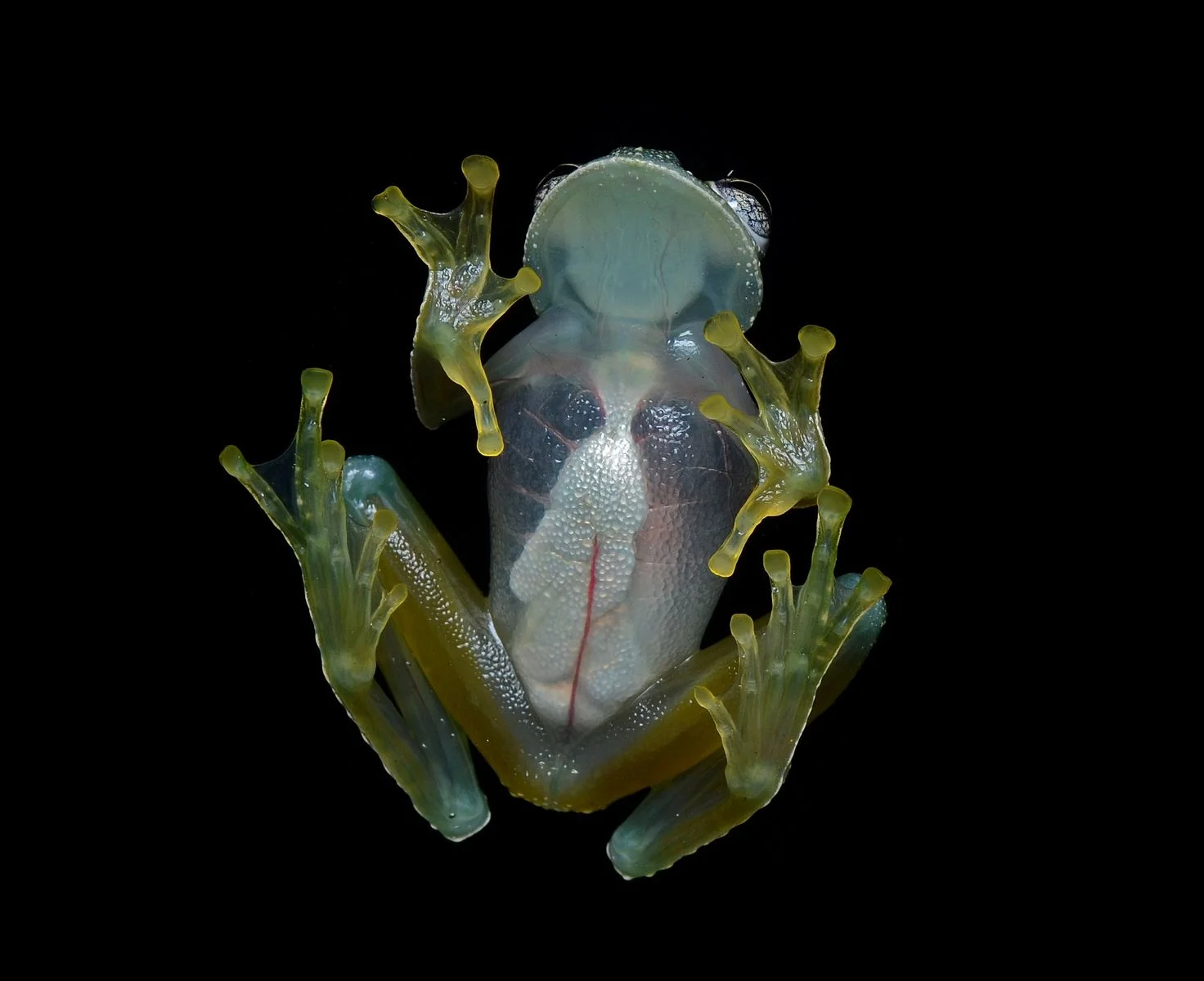
Glass frog - an example of Earth's hidden biodiversity

Direct Community Influence

When we reach 250 explorers, you'll vote on which project to fund first — then we'll show you exactly where every dollar goes.

0 Explorers Goal: 250
Option A: Field
Remote rainforest in West Papua - location of the Arfak Expedition

The Arfak Expedition

Prioritizing deep-field documentation and specimen collection in West Papua biodiversity dark spots.

Option B: Lab
Museum insect specimen drawer for DNA barcoding research

DNA Barcode Blitz

Prioritizing genomic sequencing for "mystery" museum specimens to formally name species.

From the field to the keyboard

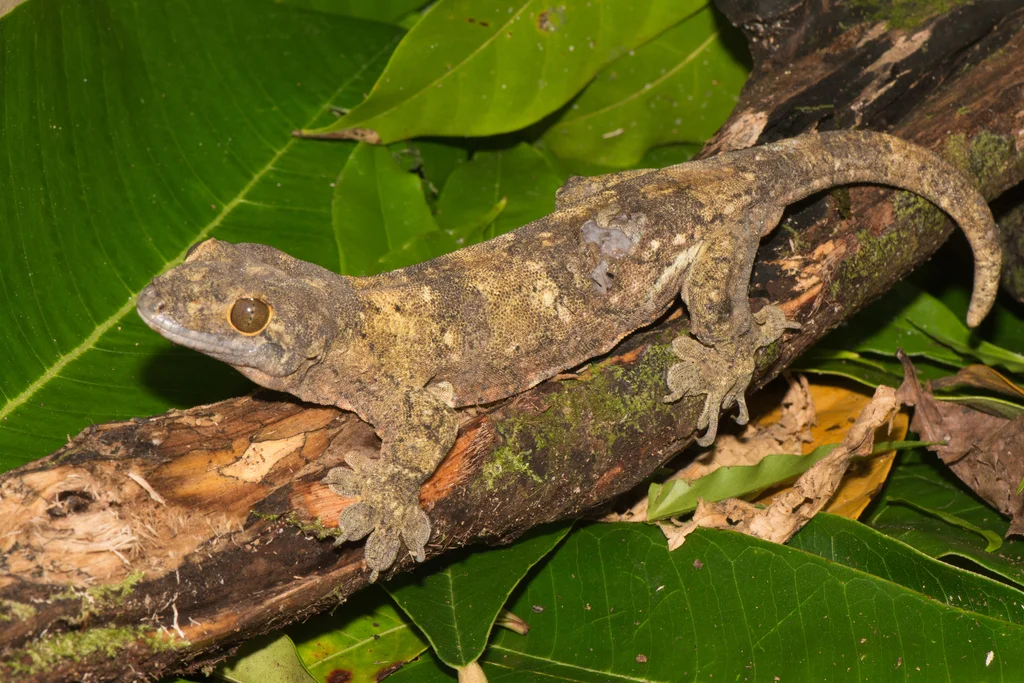
A few years ago, I led an expedition into Papua New Guinea. We found a giant gecko—but finding it was only half the battle.

It took months of DNA sequencing and museum analysis to prove it was a new species. This is the "Scientific Bottleneck" where new species sit in museum jars for decades because there is no funding to finish the paperwork.

I’m a software engineer and biologist building a bridge to break that bottleneck. I’m building this in the open to ensure community-raised funds go directly to the science, verified by transparent reporting.

Jonathan Clegg

Founder & Biologist

Jonathan Clegg holding Gehyra rohan gecko discovered on Manus Island
Manus Island Field Work Gehyra rohan, the discovery that started this mission.